
Bringing your parents or grandparents to Canada on a super visa is an exciting journey and a big step. Along with the excitement comes an important responsibility: choosing the right medical insurance for their stay.
If you have started exploring medical insurance for super visas in Canada, you have probably come across multiple options that look similar at first glance. Travelance offers two plans that meet super visa requirements: the Essential Plan and the Premier Plan. Both are designed for emergency medical coverage, but they serve different needs.
Here is a straightforward way to decide which one makes sense for your family.
Start With the Basics – What Does Super Visa Insurance Require?
Before comparing plans, it helps to know what the Canadian government requirements are for super visa insurance. The insurance must:
Both Travelance plans meet these requirements when purchased correctly, so your decision comes down to coverage level and personal needs.
When the Essential Plan Is the Right Option
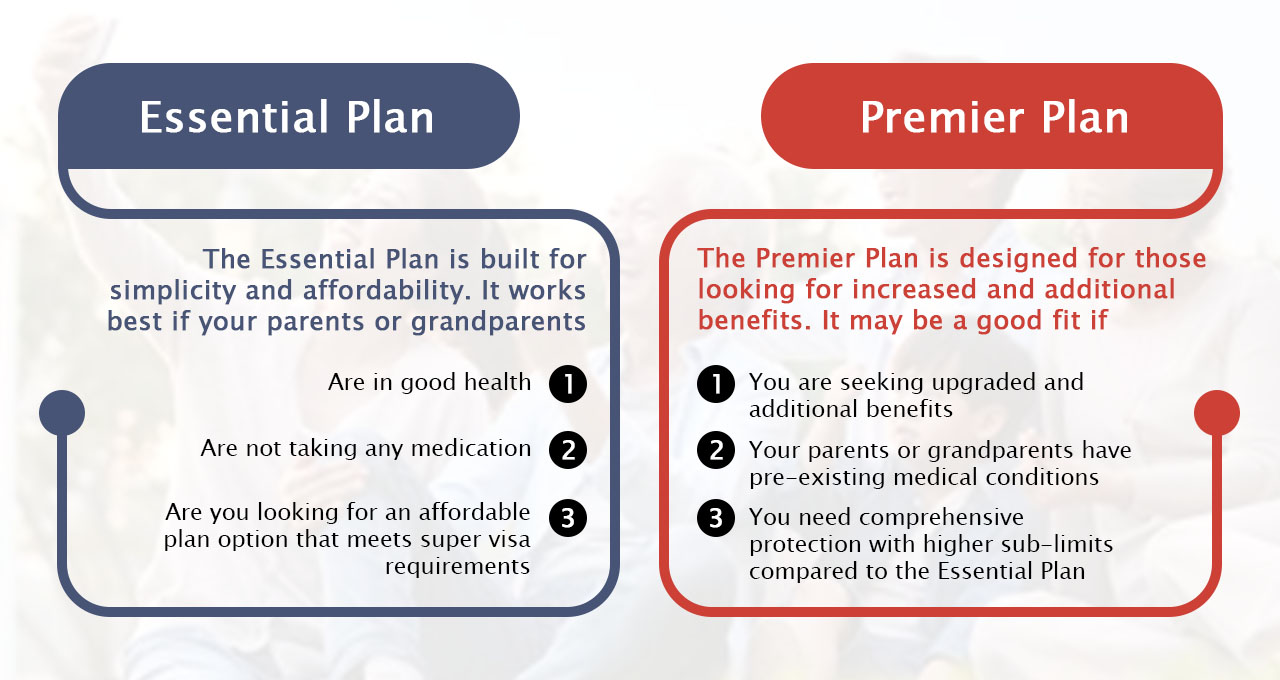
The Essential Plan is built for simplicity and affordability. It works best if your parents or grandparents:
The Essential Plan provides similar coverage to the Premier Plan, providing coverage for hospitalization, emergency services, ambulance, diagnostic tests, and more. However, it offers these benefits at lower coverage limits.
Where it differs is in what it excludes. There is no coverage for pre-existing conditions, and benefit limits are lower than those of the Premier Plan.
For many families, this plan is a practical choice when health risks are minimal, and the actual goal is to meet requirements without stretching the budget.
When to Consider the Premier Plan
The Premier Plan is designed for those looking for increased and additional benefits. It may be a good fit if:
This plan includes everything in the Essential Plan, with upgraded limits. For example, higher coverage for prescription medications, emergency dental care, follow-up visits, paramedical services, and more.
Most importantly, it offers coverage for stable pre-existing conditions, depending on age and stability requirements. This is key if your parents have ongoing health concerns. It also includes Accidental Death and Dismemberment coverage, exclusive to the Premier Plan.
Look Beyond Price: Coverage Limits Matter
It’s natural to look at the premium first and make the decision while purchasing medical insurance for a super visa, but healthcare costs in Canada can be quite high.
While both plans allow you to select coverage from $25,000 to $150,000, it is worth considering worst-case scenarios. A slightly higher premium can reduce out-of-pocket expenses significantly during an emergency.
Don’t Overlook Deductibles and Payment Options
Both plans offer a variety of deductibles, which directly affect how much you pay upfront versus how much you pay during a claim. If you want lower premiums, choosing a higher deductible can help. Just remember that deductibles apply per emergency.
Travelance also offers monthly plans for super visa insurance, which many families find helpful. Instead of paying the full premium at once, you can split it into manageable payments. This is a great option, especially for long stays under the super visa program.
Essential Plan or Premier Plan – A Practical Way to Decide
If you are still uncertain, ask yourself a few simple questions:
If your answers lean toward low risk and cost control, the Essential Plan may be enough.
If you want more comprehensive protection and flexibility, the Premier Plan is the safer choice for your family.
Final Thought
Choosing between these two options does not have to be complicated. Both plans are built to support families applying for super visas, but the right one depends on your parents’ health, your budget, and how much coverage you feel comfortable with.
Travelance offers expert guidance and honest opinions based on your needs and recommends the right plan that can make your parents’ or grandparents’ stay comfortable and stress-free. Connect with our licensed brokers today to discuss your requirements, get super visa insurance quotes and explore more about the plans.







If you’re planning a trip to Canada—or supporting family members visiting from abroad—there’s great news. Our Visitors to Canada Emergency Medical Insurance Plans have been updated with more competitive pricing and expanded coverage, making it easier than ever to travel with confidence.
Lower Rates Across Most Categories for the Essential Plan
We’ve reduced rates across most age categories for the Essential Plan, helping visitors access high-quality coverage at a more affordable price. Rates are calculated based on the insured’s age as of the policy start date.
Enhanced Benefits for Greater Peace of Mind
Both plans have been upgraded with improved coverage and added value. Key benefit enhancements include:
Changes to the Premier Plan
| Benefit | Old Benefit Amount | New Benefit Amount |
|---|---|---|
| Emergency Dental Accident | $4,000 | $5,000 |
| Dental Pain and Suffering | $500 | $600 |
| Follow-Up Visits | $3,000 and 3 visits | $5,000 and 3 visits |
| Emergency Paramedical | $500 per practitioner | $750 per practitioner |
| Accommodation & Meals (now including childcare) |
$1,500 | $5,000 |
| Visit to Bedside | $4,000 | Included |
| Return/Escort of Dependents | $3,000 | Included |
| Incidental Expenses | $250 | $800 |
| Return of Baggage & Personal Effects | $500 | $800 |
Changes to the Essential Plan
| Benefit | Old Benefit Amount | New Benefit Amount |
|---|---|---|
| Follow-Up Visits | $1,000 and 1 visit | $3,000 and 3 visits |
| Emergency Paramedical | N/A | $300 per practitioner |
| Accommodation & Meals (now including childcare) |
N/A | $3,000 |
| Visit to Bedside | N/A | Included |
| Return/Escort of Dependents | N/A | Included |
| Incidental Expenses | N/A | $500 |
| Return of Baggage and Personal Effects | N/A | $500 |
More Flexible Refund Policies
In addition to our regular refund options, policyholders may choose to submit a refund once they have returned to their home country early, even after having a claim:
Policyholders can now request a refund even after submitting a claim, provided they return home before the policy expiry date.
Designed for All Types of Visitors
These updates benefit a wide range of visitors to Canada, including:
No matter your journey, you can feel secure knowing you’re covered by a trusted insurance provider and underwriter, backed by an easy-to-use online claims system and a commitment to exceptional customer experience.
Travel Smarter, Stay Protected
With lower rates, broader coverage, and improved flexibility, there’s never been a better time to secure visitors’ insurance in Canada. Whether you’re visiting loved ones, exploring the country, or starting a new adventure, our updated plans ensure you’re protected every step of the way.
Contact us to connect with a broker near you!

Bringing your parents to Canada for a reunion can be more than just an exciting moment. You spend time planning and helping them prepare for the trip, so they can arrive safely and truly enjoy being with your family. However, before the reunion, you have to check if all the super visa requirements are met.
There are many common questions families have about super visa insurance, such as: What does it cover? How can I choose the right plan? And what should I look for before buying? Let’s review some of these questions.
What Is Super Visa Insurance And Why Is It Required?
Super visa insurance is a type of emergency medical coverage for parents and grandparents visiting Canada. Since visitors are not covered under Canada’s public healthcare system, this insurance helps cover unexpected medical expenses.
It is also a mandatory requirement for the super visa application and entry. The policy must provide at least $100,000 in emergency coverage, remain valid for at least one year from the date of entry into Canada, and include coverage for healthcare, hospitalization, and repatriation. The policy must be purchased from a Canadian insurance provider or an alternative government-approved provider.
Why Medical Insurance Matters for Families Bringing Parents to Canada?
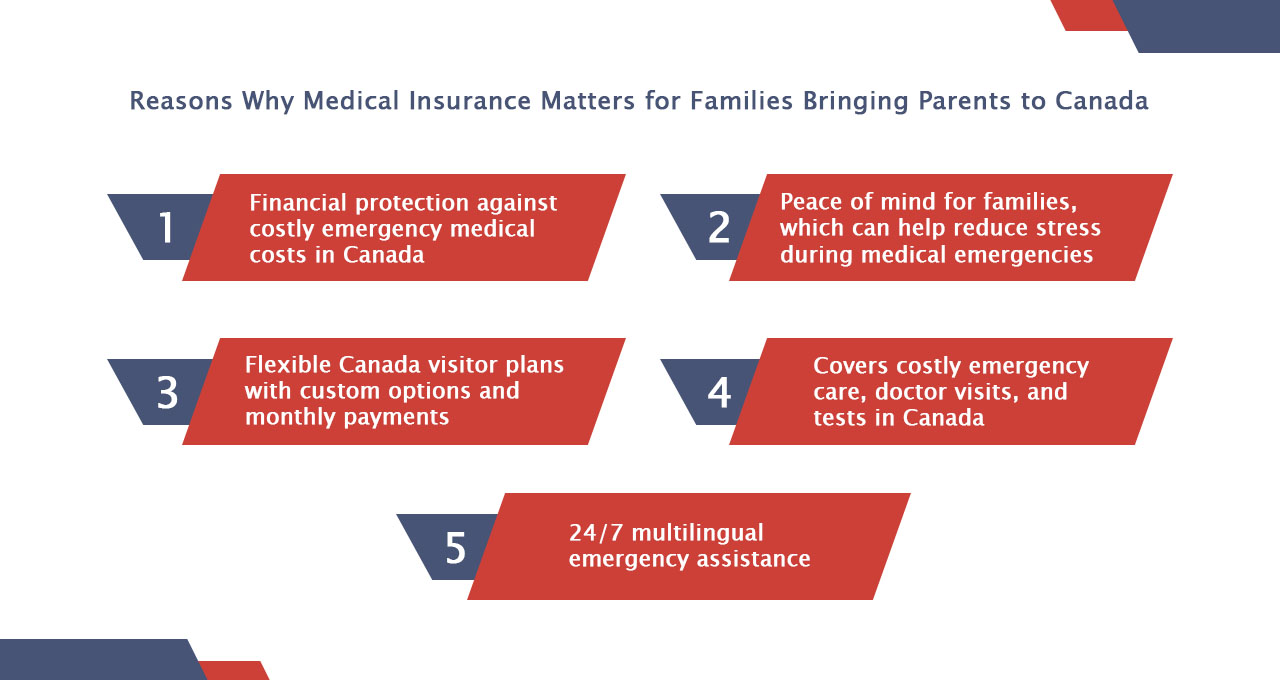
Having super visa medical insurance for parents visiting Canada is more than just a requirement. It adds real value to their stay. Some key benefits include:
What Does a Typical Super Visa Insurance Plan Cover?
Most super visa insurance plans are intended to cover expenses related to sudden and unforeseen medical emergencies. This usually includes hospital stays, emergency doctor visits, ambulance services, prescription medications, and more.
Some plans may also include emergency dental care, medical equipment, and repatriation services. However, routine check-ups and non-emergency treatments are generally not included, so it is helpful to review the policy details carefully.
How Do You Choose Between Different Insurance Plans?
Families often compare plans based on both price and coverage. A lower-cost plan may cover basic needs, while a more comprehensive plan can offer higher limits and additional benefits.
Travelance offers two medical insurance options for visitors to Canada – the Essential Plan and the Premier Plan. Both meet super visa requirements and provide coverage for up to 558 days. The Essential Plan is a practical choice for those in good health who are not taking any medication, while the Premier Plan offers enhanced benefits and some coverage for pre-existing conditions.
What Should Families Look At Before Buying A Plan?
Before selecting a super visa insurance policy for your parents or grandparents, it is helpful to review a few important details:
Coverage Amount: This is one of the most important factors, as healthcare in Canada can be expensive. A higher coverage limit gives better peace of mind during serious medical emergencies.
Deductible: A deductible is a good way to offset the cost of a policy; however, it’s important to remember that this amount is paid per emergency before the policy covers any of the expenses.
Premium: The amount you pay for the policy depends on factors like age, coverage amount, and deductible. It is important to choose a plan that fits your budget and insurance needs.
Policy Duration: Super visa insurance usually requires coverage for at least one year from the date of entry into Canada.
Pre-Existing Condition Coverage: If you are taking any medication or have any pre-existing conditions, check whether the policy covers them or not and under what terms.
Claim Process: Look for plans with a simple and quick claims process to avoid stress during emergencies.
Travelance focuses on offering clear information, flexible payment options, and a simple claims process. Our goal is to provide plans that balance affordability with practical coverage, giving families confidence when purchasing a plan.
Visit our website and connect with our licensed brokers to explore our plans and get knowledgeable advice, to find the most suitable option for your parents.
Can Super Visa Insurance Be Paid Monthly?
Yes, many trusted providers, including Travelance, offer flexible monthly payment options with an initial deposit. This makes it easier for families to manage the cost instead of paying the full amount upfront.
Monthly plans are helpful for longer stays, as they give you more control over your budget while still meeting super visa requirements.
Does the Insurance Need to Be from a Canadian Company?
Yes, super visa insurance must be purchased from a Canadian insurance provider or an approved insurer to meet visa requirements.
Purchasing super visa insurance from a Canadian provider offers several practical advantages that go beyond just meeting visa requirements:
What Happens If Travel Plans Change After Buying Insurance?
Many super visa insurance plans offer cancellation or refund options if travel plans change due to visa refusal, delays, or early return.
Some providers may give partial refunds for unused coverage, while others may charge a small administrative fee. It’s always a good idea to review the cancellation terms and refund conditions before buying, so there are no surprises later if plans change.
Final Words
Bringing your parents or grandparents to Canada is a memorable experience. To enjoy every moment with them, a super visa insurance plan plays a crucial role in providing peace of mind to your family.
If you are exploring super visa insurance options, our licensed insurance brokers are ready with flexible plans, simple processes, and reliable support that suit your family’s needs.
Connect with us today to get more details and a quote!

When applying for a super visa, buying the right emergency medical insurance for visitors to Canada is mandatory. But once you start comparing plans, it can be overwhelming. With the same coverage limits, similar pricing, and long lists of benefits, it becomes difficult to tell what truly matters.
Once you have had a chance to review the policy wording in detail, it is a daunting task to understand the differences from one provider to another. Below, we share some tips for comparing policies without overcomplicating it.
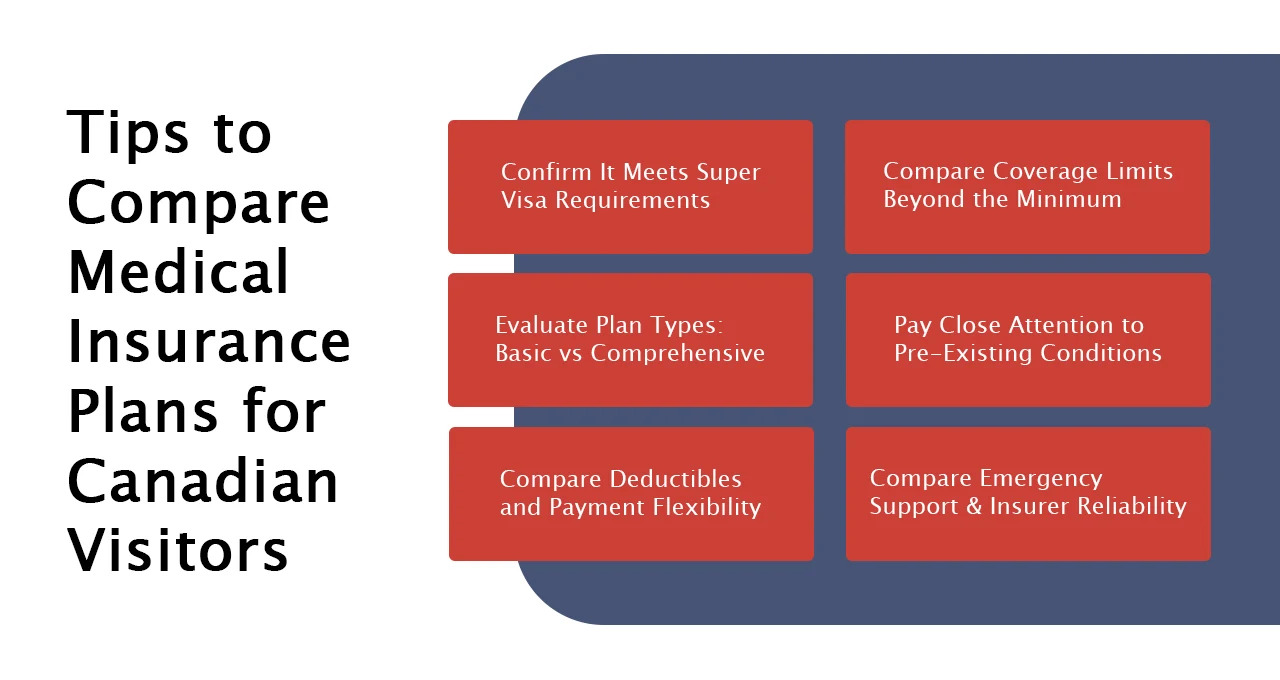
1. Confirm It Meets Super Visa Requirements
Before comparing features, confirm the policy complies with rules set by Immigration, Refugees and Citizenship Canada (IRCC).
A super visa insurance policy must:
Once these conditions are met, the real comparison begins.
2. Compare Coverage Limits Beyond the Minimum
Although $100,000 is the required minimum, it may not always be sufficient. Unforeseen medical emergencies can add up quickly, due to the high cost of medical care in Canada. Remember that a premium increase is worth it for the additional coverage, fewer out-of-pocket expenses in a big emergency, and better peace of mind.
When comparing plans, ask yourself: Does this limit comfortably cover worst-case medical scenarios?
3. Evaluate Plan Types: Basic vs Comprehensive
While comparing the coverage, it is important to compare the benefits and price.
For example, Travelance provides two Visitors to Canada Emergency Medical Insurance Plans (VTC) eligible for super visa applications and entry: the Essential Plan and the Premier Plan. Both the Essential Plan and Premier Plan are eligible for super visa applications and offer coverage for up to 558 days. The key differences lie in benefit limits, pre-existing condition eligibility, and enhanced protection features.
| Benefit | Essential Plan | Premier Plan |
|---|---|---|
| Maximum Duration | 558 Days | 558 Days |
| Emergency Medical | $25,000, $50,000, $100,000, or $150,000 | $25,000, $50,000, $100,000, or $150,000 |
| Hospitalization | Included (Semi-Private) | Included (Semi-Private) |
| Services of a Physician, Surgeon, In-Hospital Nurse | Included | Included |
| Ambulance | Included | Included |
| Diagnostic, Laboratory & X-Rays | Included | Included |
| Therapeutic Equipment Rental & Purchase | Included | Included |
| Prescription Medications | 30-day supply, up to $1,000 | 30-day supply, up to $10,000 |
| Accidental Death & Dismemberment | N/A | Up to plan limit (max $100,000) |
| Pre-Existing Condition Coverage | N/A |
Ages 0–79: 180-day stable Ages 70–79: 180-day stable (heart, brain, lung excluded) Ages 80–85: Not included |
| Emergency Return Home | Included | Included |
| Emergency Dental | Injury: $2,000 Pain Relief: $300 |
Injury: $5,000 Pain Relief: $600 |
| Repatriation of Remains | $10,000 | $16,000 |
| Cremation/Burial at Destination | $4,000 | $6,000 |
| Identification of Remains | Round-trip airfare + $450 expenses | Round-trip airfare + $450 expenses |
| Follow-Up Visits | $3,000 (max 3 visits) | $5,000 (max 3 visits) |
| Emergency Paramedical | $300 per category | $750 per category |
| Visit to Bedside | Round-trip airfare + $3,000 expenses | Round-trip airfare + $5,000 expenses |
| Accommodation & Meals (Incl. Child Care) | $3,000 | $5,000 |
| Return/Escort of Dependent Children | Included | Included |
| Incidental Expenses | $500 | $800 |
| Return of Baggage & Personal Effects | $500 | $800 |
| Deductible Options |
$0 (Base) $250 (-10%) $500 (-15%) $1,000 (-20%, Age 60–85) $1,000 (-30%, Age 0–59) $5,000 (-30%) $10,000 (-45%) |
$0 (Base) $250 (-10%) $500 (-15%) $1,000 (-20%, Age 60–85) $1,000 (-30%, Age 0–59) $5,000 (-30%) $10,000 (-45%) |
| Family Rate* | 2× Eldest Insured Rate | 2× Eldest Insured Rate |
Additional flexible features include:
This is a brief description of coverage. Please see policy wording for benefits, definitions, exclusions, limitations, terms and conditions.
4. Pay Close Attention to Pre-Existing Conditions
For those with pre-existing conditions, the available coverage for pre-existing conditions can be a deciding factor. When reviewing Travelance’s plans, a visitor with good health, not taking any medication, may select the Essential Plan as it does not provide coverage for pre-existing conditions. However, those with pre-existing conditions may choose the Premier Plan for the upgraded benefits, as well as some coverage for pre-existing conditions.
Under the Premier Plan, coverage for stable pre-existing conditions depends on the applicant’s age:
Note: Stability requirements and eligibility rules apply as defined in the policy wording.
5. Compare Deductibles and Payment Flexibility
Deductibles directly affect the total premium. Travelance offers options ranging from $0 to $10,000, with premium reductions from 10% to 45% depending on age and selection. Deductibles are the amount that you would have to pay before any claim is paid. It is important to note that deductibles are paid per emergency, meaning if you had two unrelated claims, the deductible would be paid twice.
Many families also search for super visa insurance monthly payment options. Travelance offers two payment options: full payment on the application date or the Monthly Payment Option, with the following conditions:
6. Compare Emergency Support and Insurer Reliability
Beyond the benefits, it is always a good idea to review the underwriter and Emergency Assistance Company. In the case of a claim, these are the ones that will be supporting you with services such as claims management, emergency return home, repatriation, language assistance, and more.
Working with an experienced licensed broker from Travelance will help you review your options with confidence. When reviewing Travelance’s emergency insurance visitors to Canada options, families benefit from clear plan comparisons, guidance on deductibles, and help in interpreting policy wording.
Final Thoughts: Let Travelance be Your Reliable Emergency Medical Insurance Partner
When these elements are reviewed together, choosing the right emergency medical insurance for visitors to Canada becomes a practical decision rather than a confusing one. Our plans offer both essential and expanded coverage options, making it easier to match protection levels with health needs and budget.
To discover more, connect with our insurance brokers now!

Applying for a super visa is a significant milestone for families who wish to bring parents or grandparents to Canada for extended visits. However, one of the most important and non-negotiable requirements is showing valid medical insurance for super visas in Canada. Immigration, Refugees and Citizenship Canada (IRCC) requires proof of super visa insurance during the application process and upon each entry into Canada. These plans must meet the minimum government requirements to qualify.
Here’s a step-by-step guide on how to provide proof of your eligibility and medical insurance for your super visa application, so that you can move through the process with confidence.
Meet the Eligibility Requirements
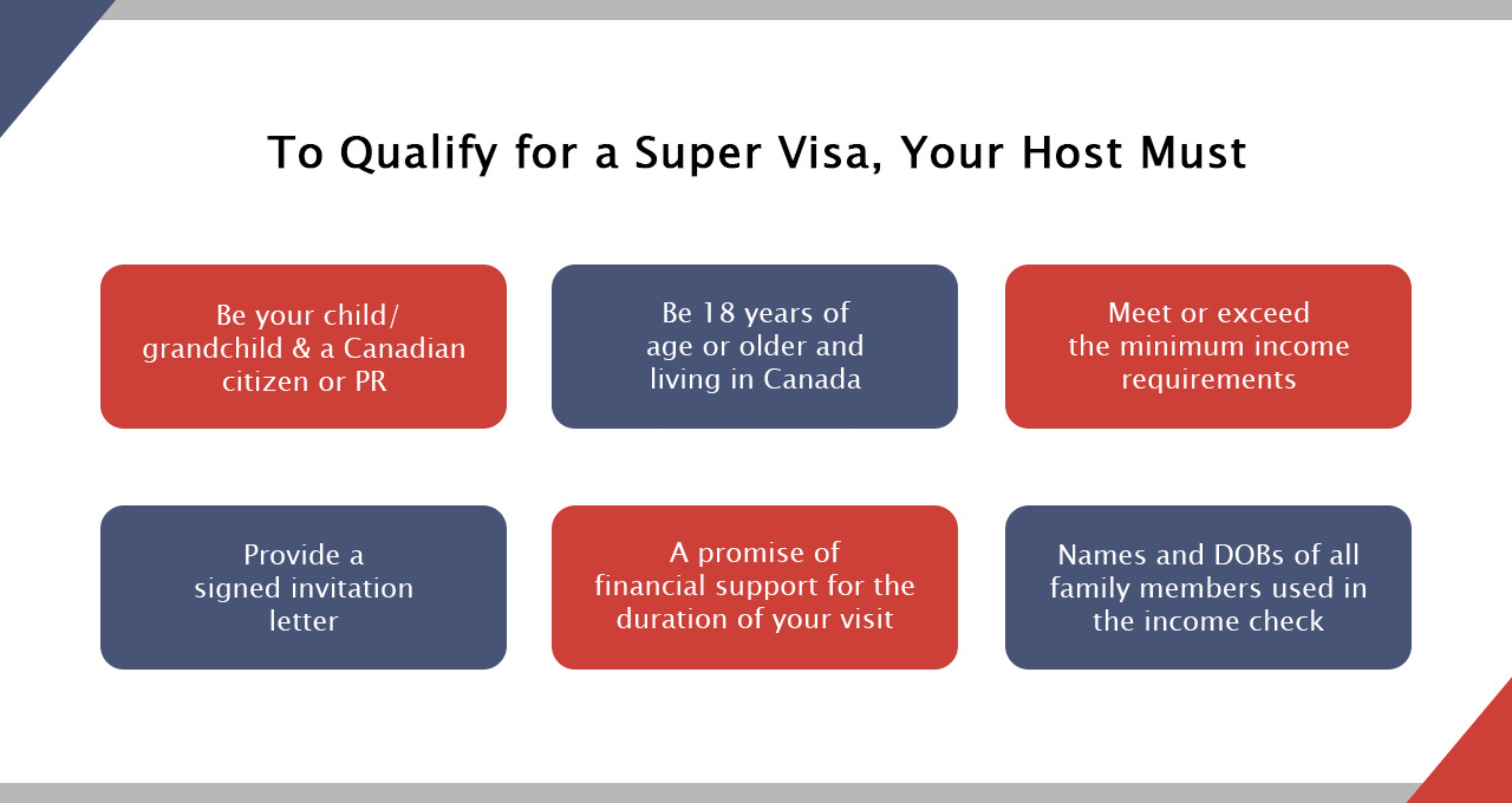
To qualify for a super visa, your host must:
Additional Applicant Requirements
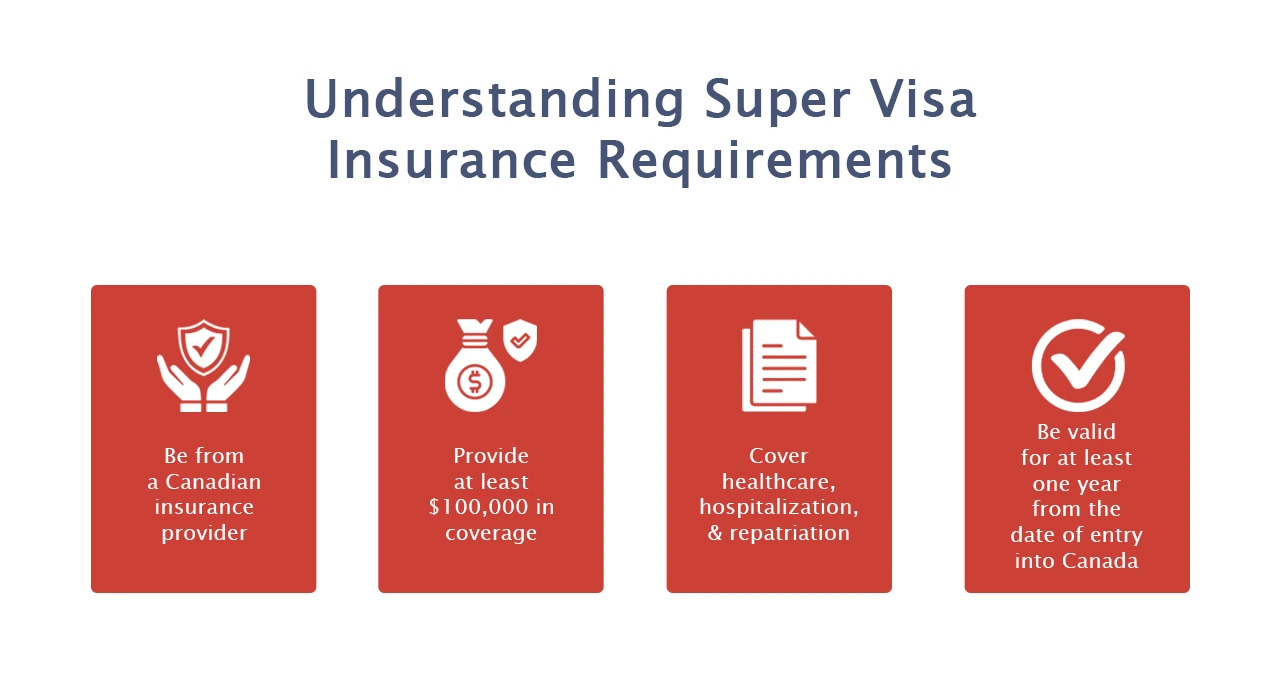
Medical Insurance Requirements for Super Visa
You must provide proof of private medical insurance from:
The insurer must be identified on the proof of insurance. Foreign policies must include a statement that the document was issued or made in the course of the insurer’s business in Canada.
Requirements of Your Health Insurance Policy
You must maintain valid insurance for each entry into Canada and may be required to show proof of paid insurance to a border services officer upon arrival.
Submit Proof With Your Application
Proof of insurance must be uploaded with your online super visa application. Check if the digital copies are clear, readable, and complete. Avoid blurry images, partial screenshots, or missing pages, as these may lead to processing delays.
Keep All Documents When Entering Canada
Immigration officers may request to see proof of insurance even if it was submitted earlier. It is a good practice to travel with:
Maintain Coverage During Your Stay
The policy must remain valid throughout the entire stay in Canada. If the visitor remains longer than one year, the insurance must be renewed or extended. Keep renewal documents as part of your records.
A valid super visa medical insurance plan can protect visitors from costly medical expenses and help them comply with Canadian immigration requirements. Our licensed brokers at Travelance can guide you to find the right coverage for your insurance needs.
We offer a variety of plans for super visa applicants to meet the emergency medical insurance requirements set by IRCC. We offer two plans:
Essential Plan: An affordable option for healthy applicants who are not taking any medication and do not have pre-existing conditions.
Premier Plan: A plan that builds on the Essential Plan with additional and upgraded benefits, and some coverage for pre-existing conditions.
Are you interested in learning more or discussing with our licensed insurance brokers? Visit our website or connect with us for more info!
Canada’s super visa for parents and grandparents allows loved ones to enjoy long stays of up to five years per visit, however it comes with a key requirement – proper medical coverage. Healthcare in Canada can be expensive for visitors, so purchasing the right insurance is an essential part of the application. Here’s a beginner-friendly, step-by-step guide to applying for medical insurance for a super visa in Canada.
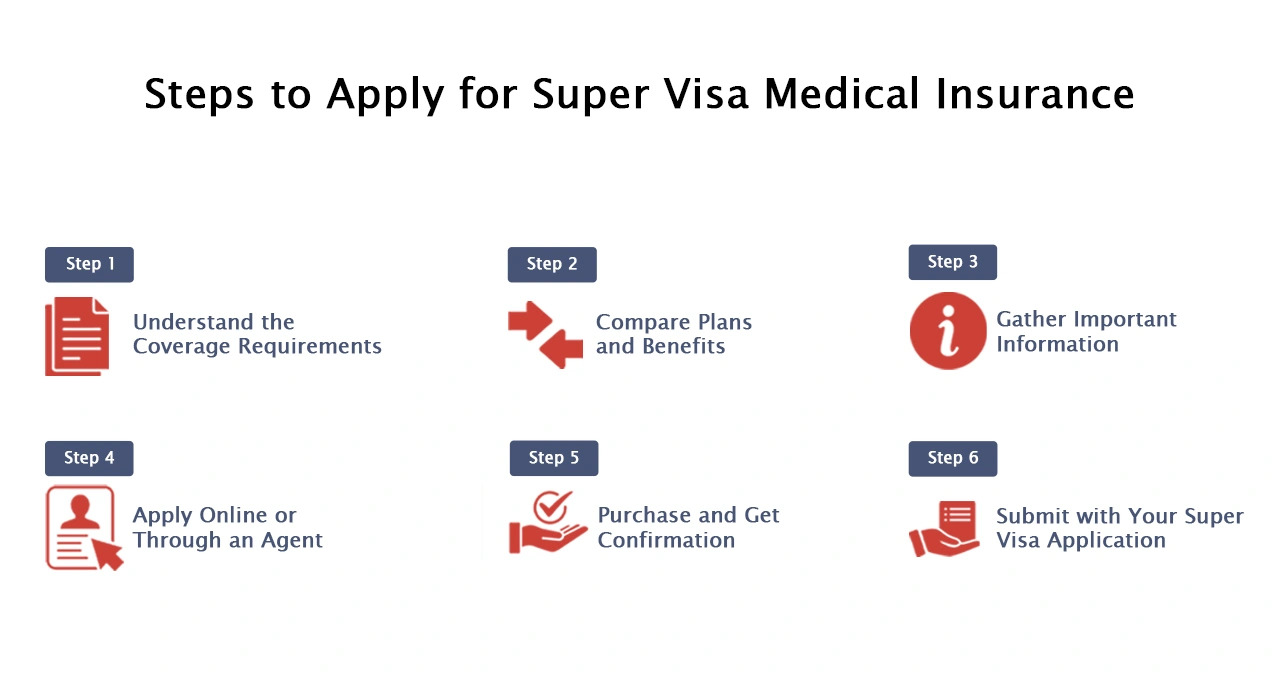
Step 1: Understand the Coverage Requirements
Before starting, it is important to know the government’s insurance guidelines. Applicants must show proof of medical insurance for visitors to Canada with a minimum of $100,000 coverage. The policy must remain valid for at least one year from the planned date of entry and include emergency healthcare, hospitalization, and repatriation.
Step 2: Compare Plans and Benefits
Not all plans are the same. Look for trusted providers that meet super visa requirements and offer emergency medical services, hospitalization, and travel assistance. Explore different options to find one that fits your parents’ or grandparents’ needs and health conditions. For example, Travelance offers two excellent plans:
Step 3: Gather Important Information
Before applying, collect key details such as the applicant’s passport, travel dates, and health history. Confirm all the details of the application before submitting, to avoid any unnecessary delays due to discrepancies.
Step 4: Apply Online or Through a Broker
Most insurance providers allow online applications, making the process quick and convenient. Fill out the form carefully and double-check all details. If needed, consult a licensed insurance broker for guidance and plan recommendations.
Step 5: Purchase and Get Confirmation
Once you’ve chosen the best plan, review the policy terms carefully, pay the premium, and obtain the confirmation letter or Certificate of Confirmation. This proof of insurance must be included with the super visa application and available upon entry.
Step 6: Submit with Your Super Visa Application
Attach the insurance certificate when applying for the visa. This ensures Canadian authorities know that your parents or grandparents have adequate coverage during their stay.
Why Choose Travelance?
When it comes to reliable medical insurance for visitors, Travelance makes the process simple and stress-free. Our Visitors to Canada Emergency Medical Insurance Plans are eligible as super visa insurance when purchased according to government requirements. Whether you choose the Essential Plan for basic coverage or the Premier Plan for added protection, we are here for your family while they enjoy their time in Canada.

For many families in Canada, welcoming parents and grandparents for an extended visit is a cherished experience. However, before they can travel, one crucial requirement must be fulfilled, which is obtaining super visa medical insurance. Understanding how it works, especially when pre-existing medical conditions are involved, ensures peace of mind for everyone.
What is Super Visa Medical Insurance?
Super visa medical insurance is a mandatory health coverage for parents and grandparents visiting Canada on a super visa. It protects them from unexpected medical expenses during their stay and provides coverage for healthcare, hospitalization, repatriation, and more. The Canadian government requires every super visa holder to have at least $100,000 in medical coverage that remains valid for a minimum of one year.
Understanding Pre-existing Conditions
A pre-existing condition is any medical condition for which treatment has been received, symptoms have been shown, or medication has been taken before the policy start date. These conditions are only covered under certain circumstances, often depending on their “stability period.” For instance, if your parent was treated for high blood pressure within a specified time before the insurance start date, that condition might not be covered unless it has been stable and controlled for a prescribed period of time.
Understanding this is critical because the stability period determines whether your loved one’s medical condition is eligible for coverage. Always review the terms of your policy carefully and consult a licensed insurance broker for clarity on what’s included or excluded.
Why It’s Important to Disclose Pre-existing Conditions?
When purchasing super visa medical insurance, transparency is key. Always disclose any pre-existing medical conditions to your broker before buying a policy. Even a small omission could lead to claim denials later. Have an open and honest discussion about your family’s medical history and provide all relevant details. While your broker isn’t a medical professional, they can guide you to the most suitable plan. If you’re uncertain about a diagnosis or medical status, it’s always wise to consult your doctor.
Don’t Hesitate to Ask Questions
Insurance documents can be complex, and every detail matters. If you don’t understand certain terms or exclusions, ask your broker to explain. Licensed brokers have the expertise to help you navigate definitions, limitations, and benefits so you can make an informed decision. Remember, asking questions before you purchase coverage is far easier than facing issues during a medical emergency abroad.
Choosing the Right Super Visa Insurance
Buying the right plan doesn’t have to be stressful. With Travelance, you can choose between two reliable options:
Both plans meet the Canadian government’s super visa requirements and offer monthly payment options for flexible budgeting.
Final Thoughts
Selecting the right super visa medical insurance is one of the most important steps in preparing for your parents’ or grandparents’ visit to Canada. With Travelance, you can rest assured that your loved ones are protected with reliable, government-compliant coverage.
To learn more, contact Travelance today and let our licensed brokers help you find the perfect plan for your family’s needs.

Bringing your parents or grandparents to Canada on a super visa is a wonderful way to stay connected across generations. But before you can welcome them, there’s a key requirement you need to take care of – super visa medical insurance.
That’s where Travelance, a trusted Canadian travel insurance provider, steps in. We offer two reliable and government-approved insurance plans tailored for super visa applicants: the Essential Plan and the Premier Plan.
But how do you decide which one is right for your family? Should you go for the affordability of the Essential Plan, or does the comprehensive coverage of the Premier Plan make more sense for your loved one’s needs?
In this blog, we’ll walk you through the differences between these two plans, explore their unique features, and help you choose the best fit, especially if you’re considering super visa insurance with monthly payment options to manage costs effectively.
Understanding Super Visa Insurance Requirements
To qualify for a super visa, applicants must present proof of private medical insurance from a Canadian insurance provider that:
Travelance meets all these requirements with both the Essential and Premier Plans.
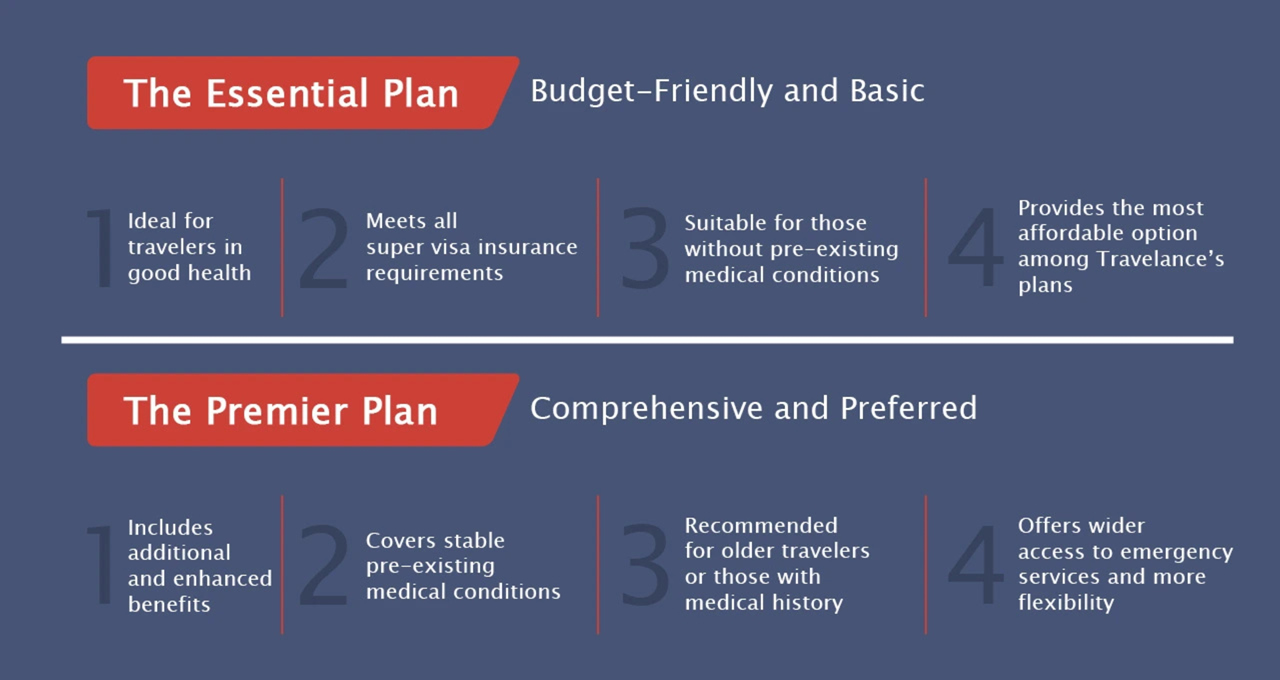
The Essential Plan: Budget-Friendly and Basic
The Essential Plan is designed for visitors in good health, who are not taking any medications and want a low-cost insurance solution for their super visa application.
Key Highlights:
This plan is a great fit for families seeking a super visa monthly insurance plan at a lower monthly premium, especially when there are no known health concerns.
The Premier Plan: Comprehensive and Preferred
The Premier Plan is Travelance’s highly recommended plan, offering upgraded and extended benefits. It is designed for visitors who want added peace of mind and for those with pre-existing conditions (conditions apply).
Key Highlights:
For many families, especially those caring for elderly parents or grandparents, the Premier Plan offers greater protection and flexibility. The additional benefits make it a more secure option, even if it comes at a slightly higher cost.
Common Features of Both Plans
Regardless of the plan you choose, both the Essential and Premier Plans offer:
These features make both plans attractive to buyers, with the main differences lying in cost, coverage limits, and flexibility regarding medical history.
Which Plan is Right for Your Parents or Grandparents?
When deciding between the Essential and Premier Plans, consider the following:
Additionally, the availability of monthly plans for super visa insurance with both options makes these policies more accessible for families planning long-term stays.
Final Thoughts
Choosing the right super visa insurance plan is more than a formality. It is about ensuring your loved ones are protected while they are visiting Canada. Whether you opt for the Essential Plan’s affordability or the Premier Plan’s comprehensive protection, Travelance makes the decision easier with flexible payment options, strong customer support, and policies aligned with super visa requirements.
Connect with our insurance brokers today to learn more about our super visa medical insurance plans and receive honest guidance and recommendations.
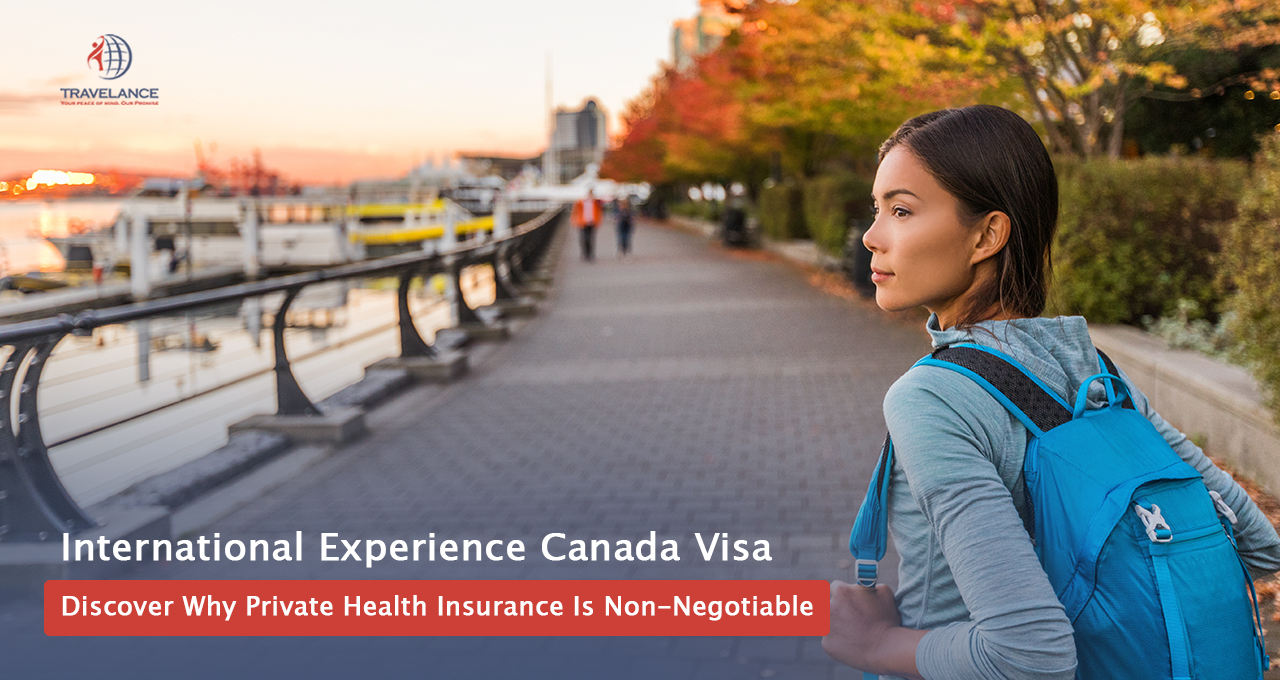
Planning to explore Canada while working under the International Experience Canada (IEC) program? It’s a thrilling opportunity but before packing your bags, there’s one essential you must not overlook: private health insurance.
Why Health Insurance Is a Must for IEC Participants
Canada’s government makes it very clear: IEC visa holders must have private health insurance for the entire duration of their stay. This isn’t just a recommendation. It’s a requirement.
According to Immigration, Refugees and Citizenship Canada (IRCC), individuals coming under the IEC program must show proof of private medical insurance that covers emergency hospitalization, repatriation, and medical care. Without it, you could be denied entry at the Canadian border, regardless of visa approval.
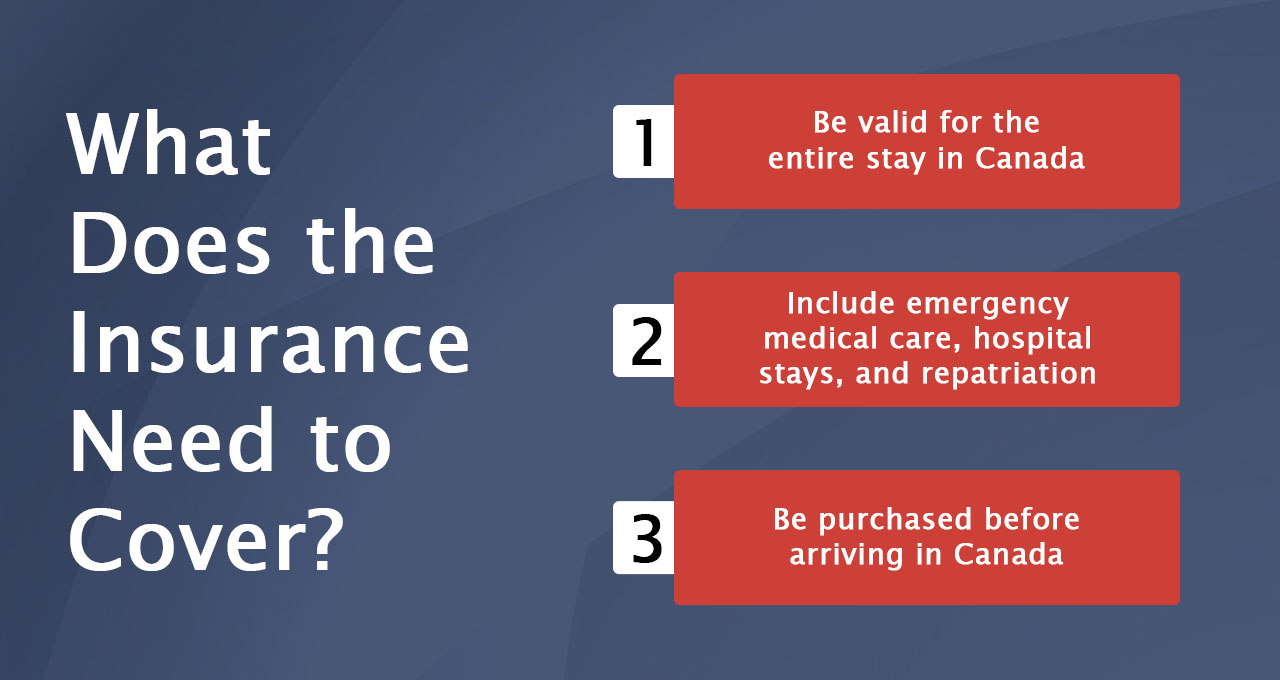
What Does the Insurance Need to Cover?
There are some specific expectations regarding IEC. The private health insurance plan must:
This provides you with financial protection in the event of sudden and unforeseen accidents, illness, or the need for emergency transport home.
The Reality: Canadian Healthcare Isn’t Free for Visitors
While Canadians enjoy a publicly funded healthcare system, it does not apply to temporary foreign workers or IEC visa holders. Unexpected medical bills in Canada can cost thousands of dollars. That’s why private medical insurance for applying for a visa in Canadais not just a box to tick, it’s your safety net.
Frequently Asked Questions (FAQs)
1. Do I really need health insurance for the IEC working visa?
Yes, private health insurance is mandatory for the entire duration of your stay under the IEC program. Without proof of coverage, you may be denied entry into Canada, even with an approved visa.
2. What should the insurance cover?
Your insurance must include emergency medical care, hospitalization, and repatriation. It must also be valid for the full length of your stay in Canada and purchased before your arrival.
3. What happens if I don’t have valid insurance for my full stay?
If your insurance policy doesn’t match your intended stay duration, border officials may limit your visa validity or deny entry. Always ensure your coverage matches your IEC work permit length.
4. Can I purchase travel insurance after arriving in Canada?
No. According to IRCC guidelines, your insurance must be arranged and active before entering Canada under the IEC program.
Why Travelance Is a Smart Choice
If you’re securing coverage for either an IEC or super visa, Travelance offers well-reviewed and government-compliant plans. Our insurance for visitors to Canada includes essential benefits such as emergency medical coverage and repatriation, with coverage available for up to 18 months. Please note that IEC participants may be required to show proof of coverage for the full duration of their stay, which could be up to two years (in this case, you can purchase two policies to cover the full duration of your stay). Whether you’re exploring Canada through a working holiday or reuniting with family under the super visa program, private medical insurance isn’t optional. It’s protection you can’t afford to go without.
Need more information? Contact our insurance brokers today!
If you’re a Canadian citizen or permanent resident returning home after years abroad, you may wonder – Will Canada’s health insurance cover me as soon as I arrive? Unfortunately, the answer is often no. Most provinces and territories have a waiting period, usually up to three months, before your public health insurance kicks back in.
So what happens if you need medical care during that time? This is where interim health insurance becomes essential.
Why Is There a Waiting Period?
While Canada offers universal health care, each province and territory manages its health insurance program. When you return after living abroad, you’re treated as a new or returning resident. To prevent misuse of the healthcare system, most provinces require a waiting period of up to three months before coverage resumes.
Without interim or private insurance, you will be responsible for all medical costs out-of-pocket. Emergency care in Canada can be expensive, especially if hospitalization is required.
What Is Interim Health Insurance?
Interim health insurance is a short-term private plan designed to cover you while you wait for your provincial health card to become active. The coverage of interim health insurance plans can vary. It’s important to review the specifics of any plan and seek advice from licensed insurance brokers to confirm the plan you choose meets your needs during the waiting period. It typically includes:
Who Needs Interim Health Insurance?
If you’re a returning expat who hasn’t maintained provincial/territorial health coverage, you’ll likely need interim insurance, as you will not be initially covered under Canada’s health care system.
Questions to Ask Your Insurance Brokers Before Choosing an Interim Health Insurance Plan
Many private insurers in Canada offer interim health insurance plans specifically for returning residents. When choosing a plan, ask:
Always read all the details of your interim health insurance plan for expats and compare multiple options before committing.
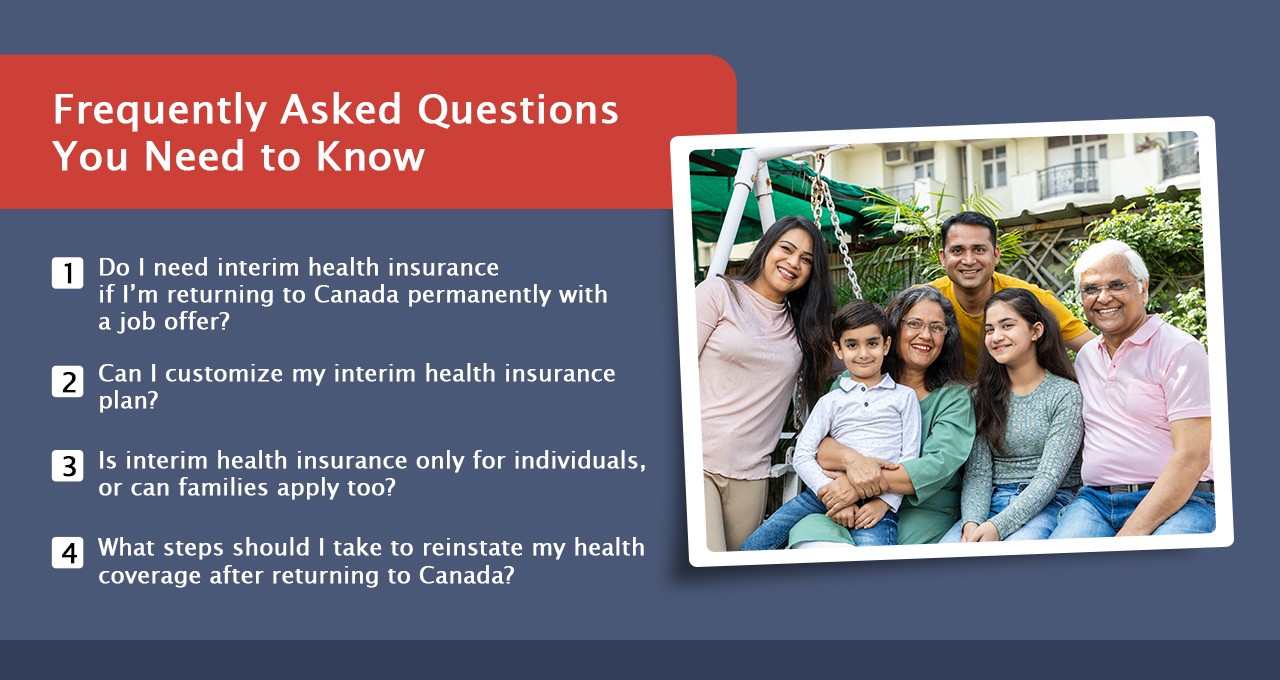
Frequently Asked Questions You Need to Know
1. Do I need interim health insurance if I’m returning to Canada permanently with a job offer?
Yes, even if you have a job offer, most provincial health plans still require a waiting period before coverage begins. Employer health benefits may also take time to activate, so interim insurance offers protection from unexpected medical costs right from your arrival.
2. Can I customize my interim health insurance plan?
Many providers offer flexible interim health plans where you can choose the level of coverage, ranging from basic emergency care to more comprehensive options including prescription drugs, paramedical services, diagnostics, and more.
3. Is interim health insurance only for individuals, or can families apply too?
Interim health insurance plans are available for individuals, couples, and families. If you’re moving back with dependents or a spouse, you can get a joint plan that safeguards everyone in your household during the coverage gap.
4. What steps should I take to reinstate my health coverage after returning to Canada?
To reinstate your health coverage, you must apply to the health insurance plan of the province or territory where you intend to reside. Each province or territory has its own application process and residency requirements. So, it is necessary to contact the local Ministry of Health for specific instructions and connect with reliable insurance brokers to determine the necessary documentation.
In Conclusion
Returning home should feel exciting, not stressful. So, don’t let a gap in health coverage catch you off guard. Interim health insurance is a smart, temporary solution that protects you and your family while you transition back into the Canadian healthcare system. Connect with a trusted Canadian insurance provider like Travelance to explore different plans tailored to your needs.
Phone: 1-855-566-8555
Email: [email protected]
126 Catharine St. N., Hamilton, ON L8R 1J4 Canada